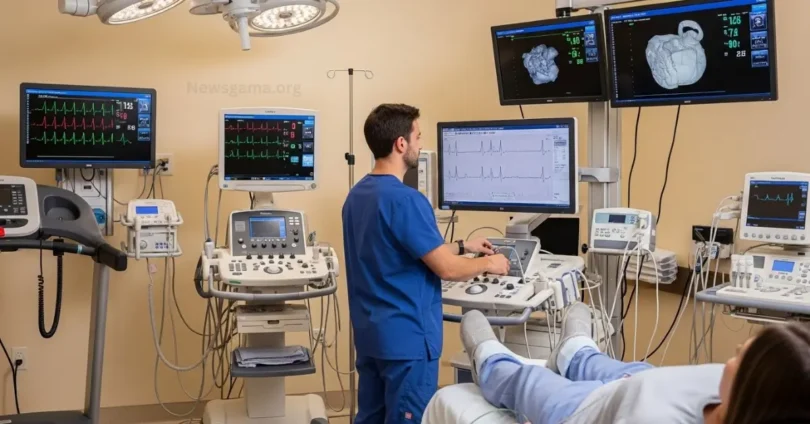
Cardiac Technology is a modern healthcare field that helps doctors check, monitor, and treat heart problems using special machines and tools. It supports early detection of heart issues, improves patient safety, and plays a strong role in saving lives through accurate heart care systems.
History of Cardiac Technology
The history of cardiac technology started when doctors first tried to understand how the human heart works. In early times, heart problems were checked only by listening to the heartbeat and watching symptoms. There were no machines to see or measure heart activity clearly.
Later, simple tools were introduced to record heart sounds and pulse rate. The invention of the electrocardiogram (ECG) was a major step because it allowed doctors to see the electrical activity of the heart. This helped in finding heart diseases at an early stage.
With time, cardiac technology became more advanced. Machines like echocardiography and heart monitors were developed to give clear images and real-time data. Today, cardiac technology uses smart devices and computer-based systems to provide accurate, fast, and safe heart care for patients.
You May also Visit this Link: Full Gama News
How Cardiac Technology Works
Cardiac technology works by using medical machines to check heart activity, find problems, and support proper heart treatment.
- Sensors are placed on the body to detect heart signals
- Machines record heart rate and electrical activity
- Data is shown on screens in clear graphs and images
- Doctors study the results to find heart issues
- Continuous monitoring helps track heart health changes
- Advanced tools send real-time data for quick decisions
Cardiac technology makes heart care accurate and fast by turning heart signals into useful medical information.
Types of Cardiac Technology
Cardiac technology includes different tools and systems used for heart care. Here are the main types in simple bullet points:
- Diagnostic Cardiac Technology: Tools to detect heart problems early
- Monitoring Cardiac Technology: Devices to track heart activity continuously
- Treatment-Based Cardiac Technology: Machines and tools to treat heart conditions
- Imaging Cardiac Technology: Systems like echocardiography for heart imaging
- Remote Cardiac Technology: Devices that allow doctors to monitor patients from a distance
Risks and Limitations of Cardiac Technology
While cardiac technology greatly improves heart care, it also comes with some risks and limitations that patients and doctors should know:
- Technical Errors: Machines can sometimes give incorrect readings due to calibration issues or malfunctions, which may affect diagnosis.
- Equipment Dependency: Over-reliance on machines can reduce hands-on clinical assessment skills among healthcare staff.
- High Costs: Advanced cardiac devices and maintenance are expensive, making it difficult for some hospitals or patients to access.
- Limited Availability: Not all hospitals, especially in rural areas, have access to the latest cardiac technology.
- Patient Discomfort: Some diagnostic or treatment devices may cause temporary discomfort or require invasive procedures.
- Data Security Concerns: Digital cardiac systems may face privacy and data protection challenges.
Although cardiac technology is life-saving, understanding its risks ensures safe and responsible use for better heart care.
Cardiac Technology Education and Training
To work in cardiac technology, proper education and training are very important. This ensures that technologists can operate heart machines safely and help doctors give accurate care.
- Required Education: Most cardiac technologists need a degree or diploma in cardiac technology, biomedical engineering, or a related healthcare field.
- Certification Basics: Professional certification courses teach how to use ECG machines, echocardiography, and other cardiac tools properly.
- Hands-On Training: Practical training in hospitals or labs helps students learn to handle machines, monitor patients, and record accurate data.
- Continuous Learning: New technology updates require technologists to attend workshops or online courses to stay skilled.
- Soft Skills: Communication, attention to detail, and patient care are also essential parts of training.
Proper education and training prepare cardiac technologists to use advanced heart technology safely and effectively, improving patient care.
You May also Visit this Link: Dafa Sports App
Career Scope in Cardiac Technology
Cardiac technology offers a growing career field because heart diseases are common, and hospitals need skilled professionals to manage advanced heart care systems.
- Job Opportunities: Cardiac technologists can work in hospitals, heart clinics, research labs, and diagnostic centers.
- Salary Overview: Salaries vary by country and experience, but trained technologists often earn a good income due to the high demand.
- Career Growth: With experience, professionals can become senior technologists, supervisors, or educators in cardiac technology programs.
- Specialization Options: Technologists can specialize in ECG, echocardiography, cardiac catheterization, or remote monitoring systems.
- Global Demand: Skilled cardiac technologists are needed worldwide, offering opportunities to work internationally.
A career in cardiac technology is rewarding, with steady demand, good pay, and opportunities for growth and specialization.
Future of Cardiac Technology
The future of cardiac technology looks very promising as new innovations continue to improve heart care and patient outcomes.
- Smart Heart Devices: Wearable devices and implants will provide real-time heart monitoring and early alerts for problems.
- Artificial Intelligence (AI): AI systems will help doctors predict heart diseases and recommend personalized treatments.
- Telemedicine Integration: Remote monitoring and virtual consultations will allow patients to receive care from home.
- Advanced Imaging: New imaging techniques will give clearer and faster views of the heart, helping in precise diagnosis.
- Robotic Assistance: Robotic systems may assist in heart surgeries, making procedures safer and more accurate.
- Personalized Treatments: Technology will allow treatments tailored to each patient’s heart condition and lifestyle.
The future of cardiac technology promises smarter, faster, and safer heart care, improving lives worldwide.
How Cardiac Technology Improves Heart Health
Cardiac technology plays a key role in keeping the heart healthy and preventing serious heart problems.
- Accurate Diagnosis: Machines like ECG and echocardiography detect heart issues early, helping doctors treat problems before they become serious.
- Continuous Monitoring: Heart monitors and wearable devices track heart activity 24/7, alerting doctors and patients to any changes.
- Timely Treatment: Advanced devices like pacemakers and defibrillators provide immediate support to maintain normal heart function.
- Patient Safety: Technology reduces human errors and ensures safer procedures during tests and treatments.
- Long-Term Care: Remote monitoring and data analysis help doctors manage chronic heart conditions effectively over time.
- Improved Recovery: Patients receive precise care and follow-ups, which speeds up recovery after heart surgeries or treatments.
Cardiac technology improves heart health by providing early detection, continuous monitoring, safe treatment, and better long-term care.
You May also Visit this Link: Fave Entertainment Audition
Common FAQs About Cardiac Technology
Cardiac technology helps doctors diagnose and treat heart problems. Here are some common questions about its tools and uses.
What is the main role of cardiac technology in hospitals?
It helps doctors monitor heart health, detect problems early, and assist in treatment.
Do patients need special preparation for cardiac tests?
Some tests may require fasting or avoiding certain medications; your doctor will guide you.
Can cardiac technology predict future heart problems?
Yes, advanced monitoring and AI tools can help identify risks before symptoms appear.
Is cardiac technology safe for all ages?
Most devices are safe for children, adults, and elderly, but doctors decide case by case.
How often should heart patients use cardiac monitoring devices?
Depends on condition; some need daily monitoring, others periodic check-ups.
Are there non-invasive cardiac technology options?
Yes, ECG, echocardiography, and wearable heart monitors are non-invasive methods.
Can remote cardiac technology replace hospital visits?
It can reduce visits but cannot fully replace in-person examinations when necessary.
Do cardiac technologists need special licenses?
Yes, professional certification ensures proper handling of machines and patient safety.
How does cardiac technology help in emergency situations?
Devices like defibrillators and monitors provide immediate support for heart attacks or irregular rhythms.
What is the cost of using cardiac technology at home?
Wearable monitors and home devices vary in price, generally more affordable than hospital visits.
Conclusion
Cardiac technology has transformed the way heart care is provided. From early detection and continuous monitoring to advanced treatments, it helps doctors save lives and improve patient health. With ongoing innovations, smarter devices, and AI integration, cardiac technology continues to make heart care faster, safer, and more accurate for everyone. It is an essential part of modern healthcare that supports both patients and medical professionals in maintaining healthy hearts.
Written By: Newsgama